Do you dream of wide-open spaces, golden light, and brightly colored fishing villages? 🇸🇪 Then let me guide you on a campervan trip along Sweden’s west coast. Between sea-polished rocks, picturesque harbors, and the Swedish art of living, “fika,” this region has incredible charm. Here, time truly seems to slow down.
Sweden’s West Coast by Campervan: Key Takeaways
- An iconic itinerary 🗺️: From Gothenburg to the fishing villages of Bohuslän, discover a memorable road trip between pink granite rocks and colorful cabins reflected in crystal-clear water.
- Gothenburg, the gateway: Dynamic and natural, it’s the perfect city for a first immersion. Don’t miss the historic Haga district for an authentic “fika” break.
- Smögen, the postcard ✨: A must-see for its famous “Smögenbryggan” boardwalk and fresh seafood. However, expect large crowds during the peak summer season.
- Campervanning in Sweden: It’s a true paradise for nomadic travelers, but the west coast is extremely popular. Our advice: plan your stops in advance and dare to go off the beaten path to find that rare gem for the night.
After arriving by ferry (we explain how to reach Sweden by campervan in another article), we headed for the west coast, towards Norway. A gentle first immersion, perfect for starting our exploration of the country.
We quickly understood why this region, Bohuslän, is so popular with Swedes. During peak season, you’ll be far, far from alone! Be prepared: we had never seen such a concentration of campervans. But the atmosphere remains incredibly serene. The landscapes are calming, the villages seem frozen in time, and the Nordic light enhances every detail. A maritime and authentic Sweden awaits you.
Our first stop logically led us to Gothenburg, a city that is both modern and welcoming, ideal for soaking up the Swedish atmosphere before heading up to the coast’s treasures.
Gothenburg: Gateway to the West Coast
Gothenburg is often the first stop for travelers arriving from the south. The country’s second-largest city, it nevertheless feels like a human-sized city: canals lined with bricks, omnipresent bicycles, and a relaxed, almost bohemian atmosphere. This is where our Swedish adventure truly began.
Far from the hustle and bustle of major metropolises, Gothenburg is a port city proud of its maritime past, but also an incredibly green city. Parks, museums, and trendy cafes sit alongside docks and tastefully renovated old warehouses. We spent an entire day there without seeing time fly by.
What to do in Gothenburg in one day?
Stroll through the Haga district
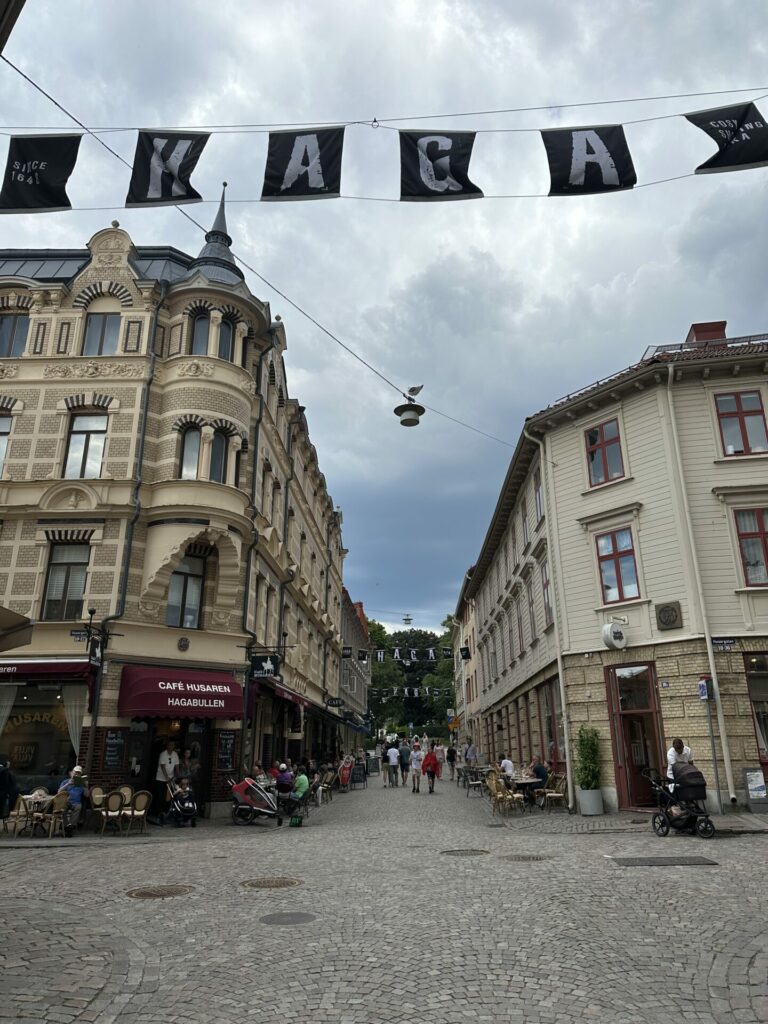
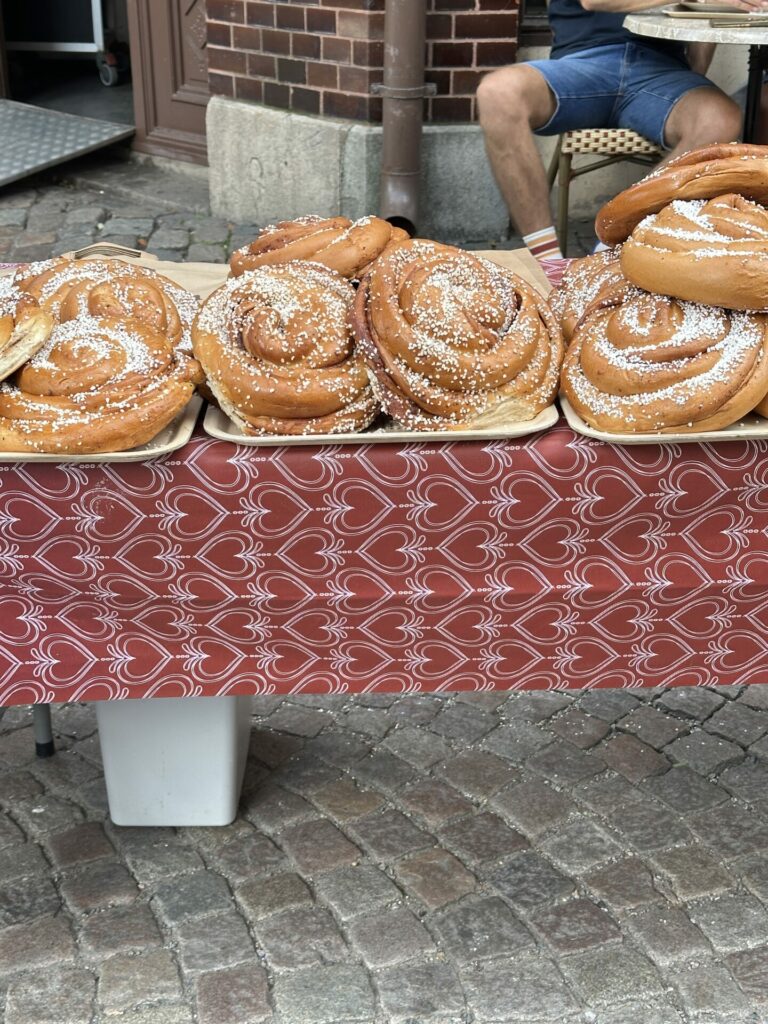
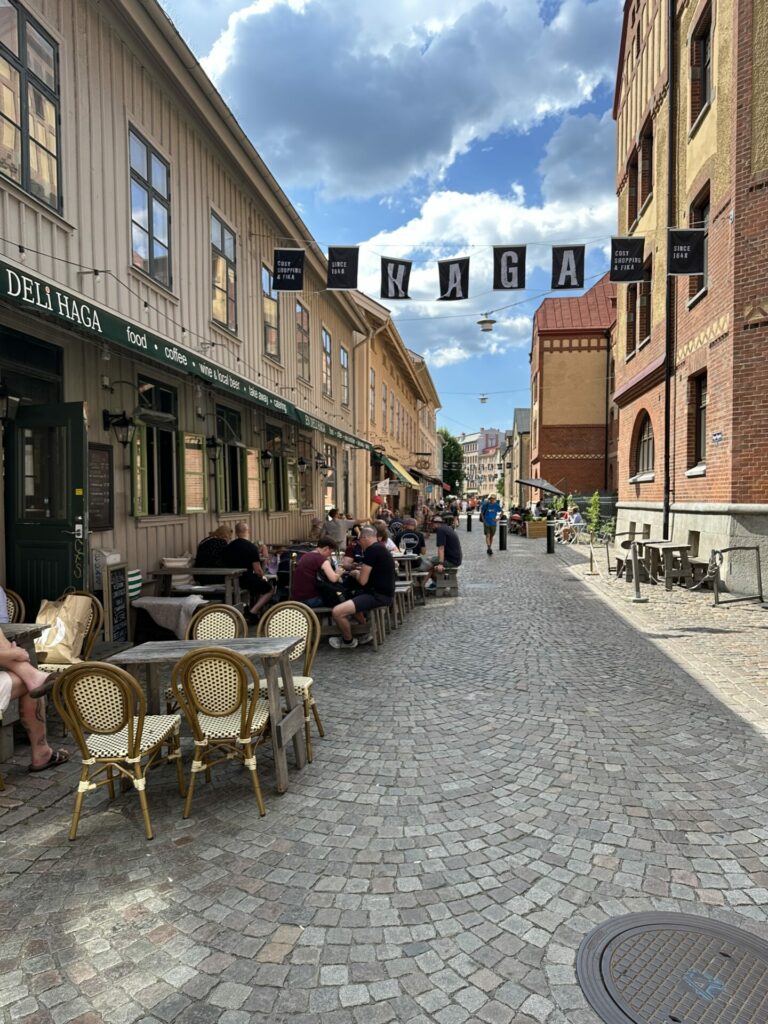
It’s the historic heart of the city and our absolute favorite! ❤️ You can stroll among the small colorful wooden houses, artisan shops, and cozy cafes. Don’t leave without tasting the kanelbulle, the famous cinnamon bun. In fact, the largest in the country is said to be at Café Husaren. We tried it and loved it! Spoiler alert: it was the best of our entire trip to Sweden!
The district is surprisingly calm and pleasant. You’ll also find many small artisans there, some of whom make the famous Swedish wooden clogs. A true dive into tradition.
Explore the canals and city center
It’s often called the Swedish “Little Amsterdam.” A walk along the canals or a boat cruise (like the Paddan Tour) will allow you to discover the city from another angle. Culture enthusiasts will appreciate the Göteborgs Konstmuseum (Museum of Fine Arts) or Universeum, an interactive science museum for the whole family.
Discover the port and modern districts
Walking along the Göta älv river, you’ll reach the Lindholmen district with its innovative industrial atmosphere. On the opposite bank, don’t miss Feskekôrka, “the fish church”: an iconic covered market (currently under renovation, but keep it in mind for your visit).
Our tip for visiting Gothenburg by campervan
To explore the city with peace of mind, the easiest way is to leave your vehicle at a campsite on the outskirts (like Lisebergsbyn) and use public transport. The tram and bus network is excellent, and you’ll avoid the stress of looking for a parking space in the city center, which can be a real headache.
Get some fresh air in the parks and hills
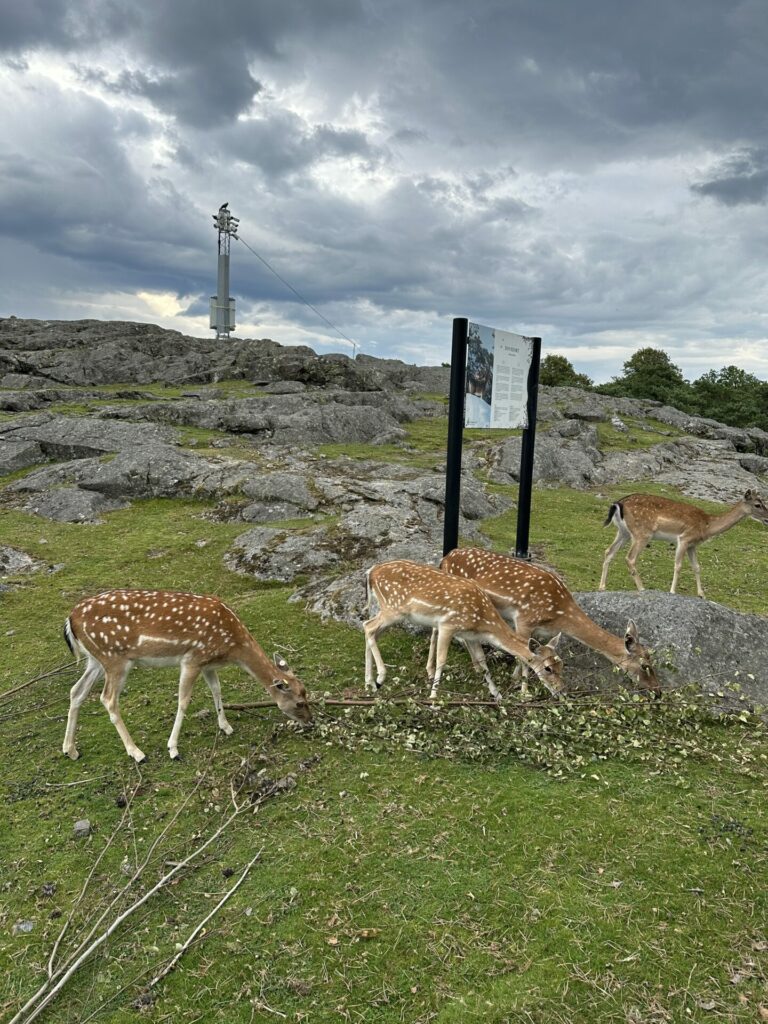
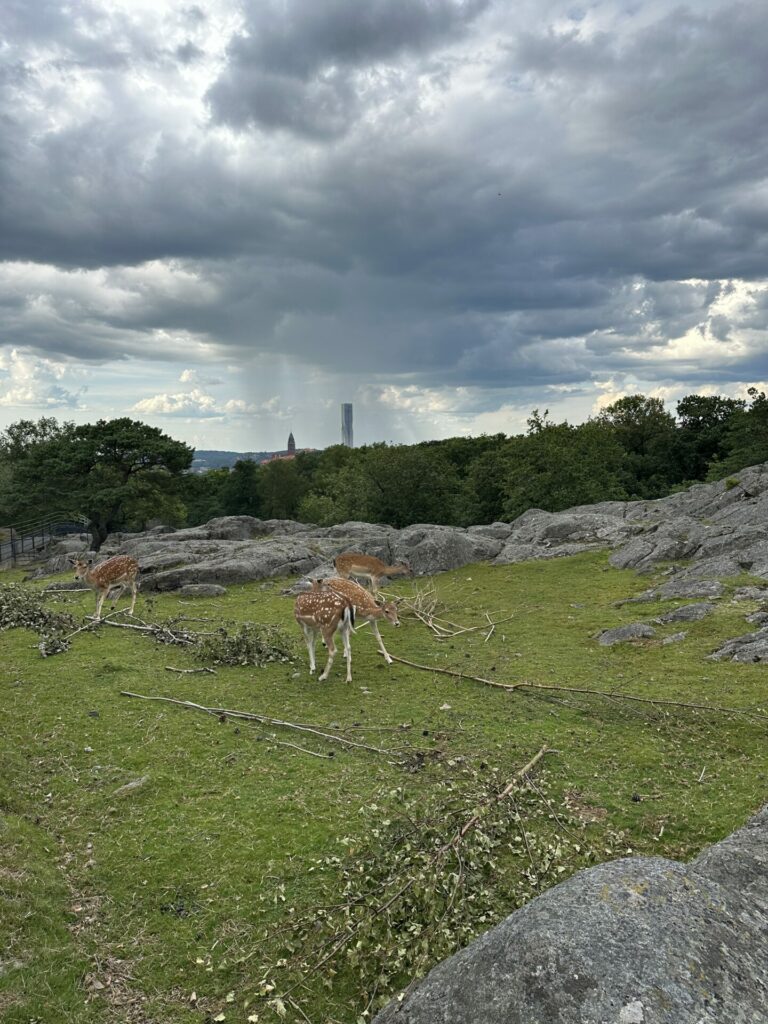
For a breathtaking view, climb up to Skansen Kronan, an old fortress overlooking the city. For a green break, head to Slottsskogen Park, a huge park home to some Nordic animals like moose! Admission to this animal park is completely free. The walk is beautiful, and it was a great opportunity to see our first Nordic animals.
You can also visit the natural history museum there. In the park, you’ll also find numerous play areas, confirming the kid-friendly reputation of the Nordic countries!
Escape to the southern archipelago
From Saltholmen harbor, you can easily embark for the small islands of the southern archipelago (Brännö, Styrsö, or Vrångö). Here, no cars: only bikes, coastal paths, and absolute serenity. It’s Sweden in all its simplicity and raw beauty. An experience not to be missed if you have time.
Unfortunately, we didn’t have time to explore the archipelago. If you wish to do so, we recommend planning 2 to 3 days in Gothenburg to fully enjoy it.

Smögen: The charm of a colorful harbor on stilts
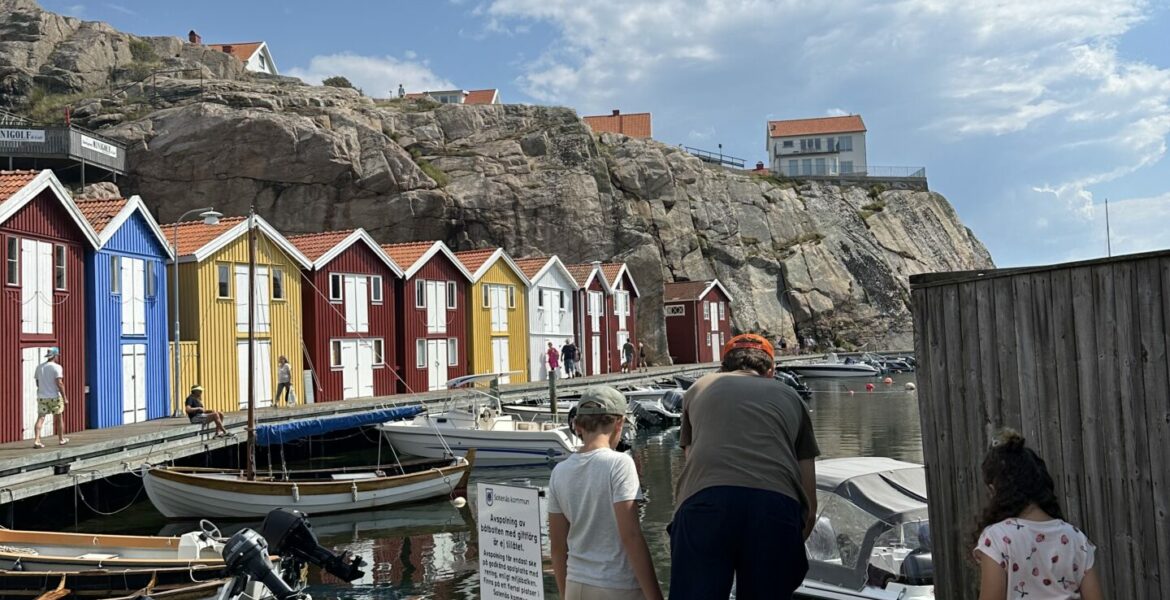
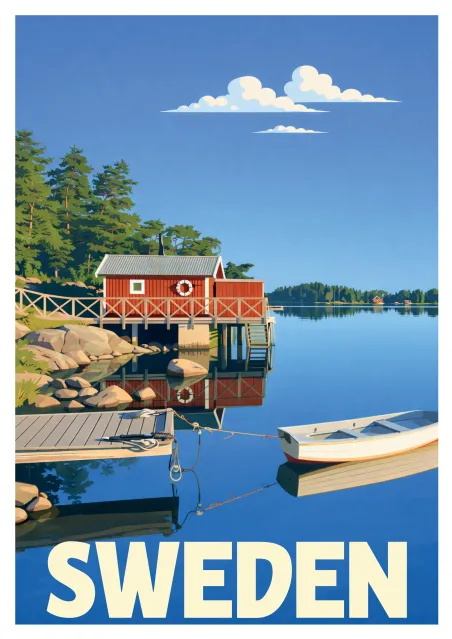
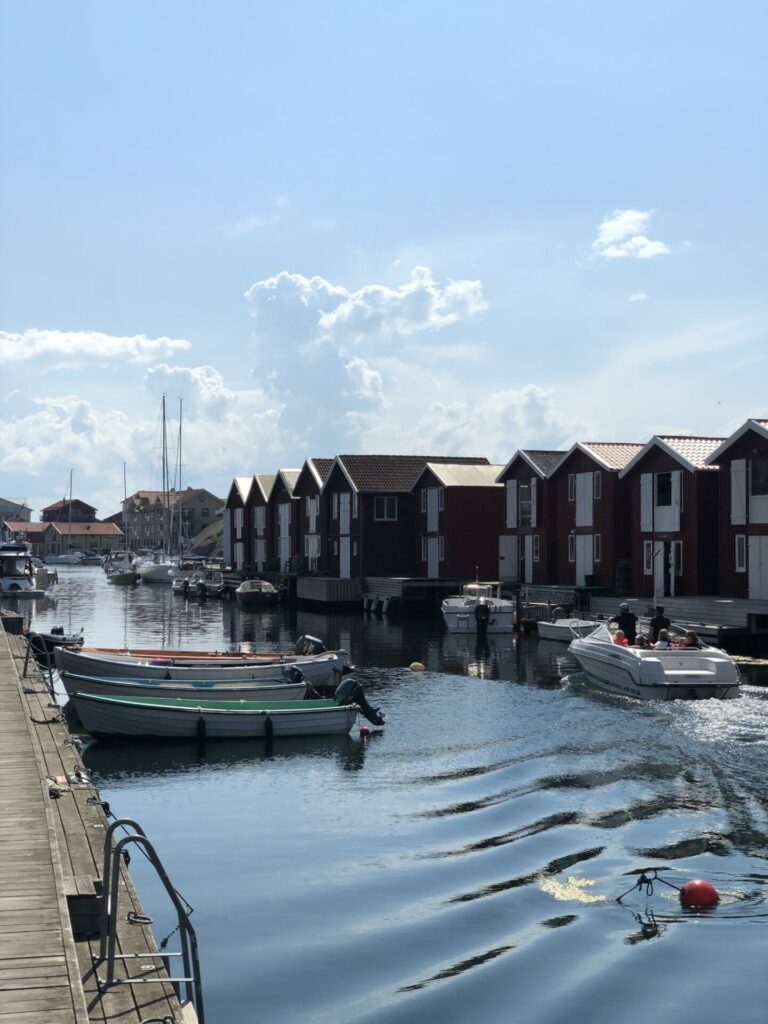
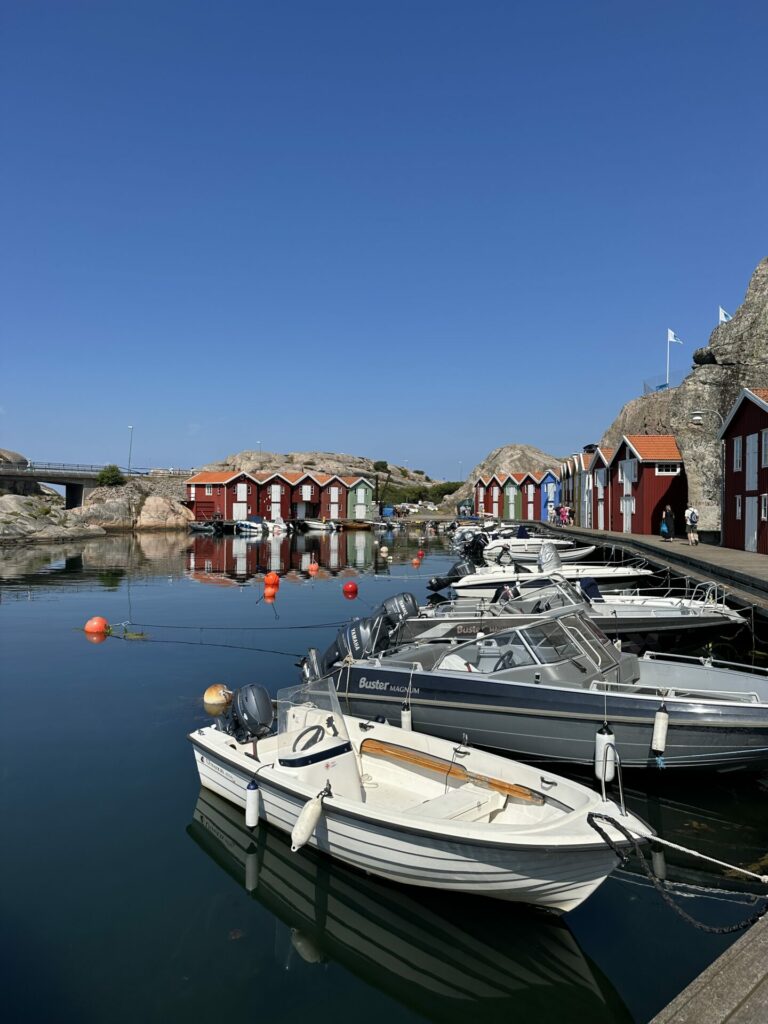
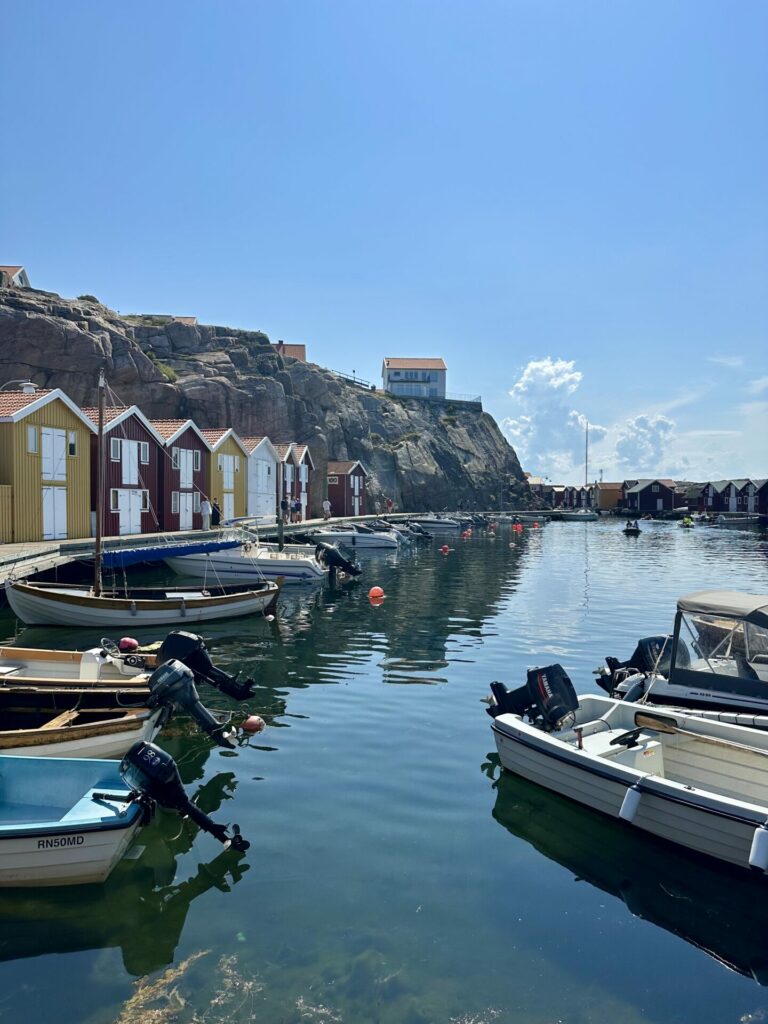
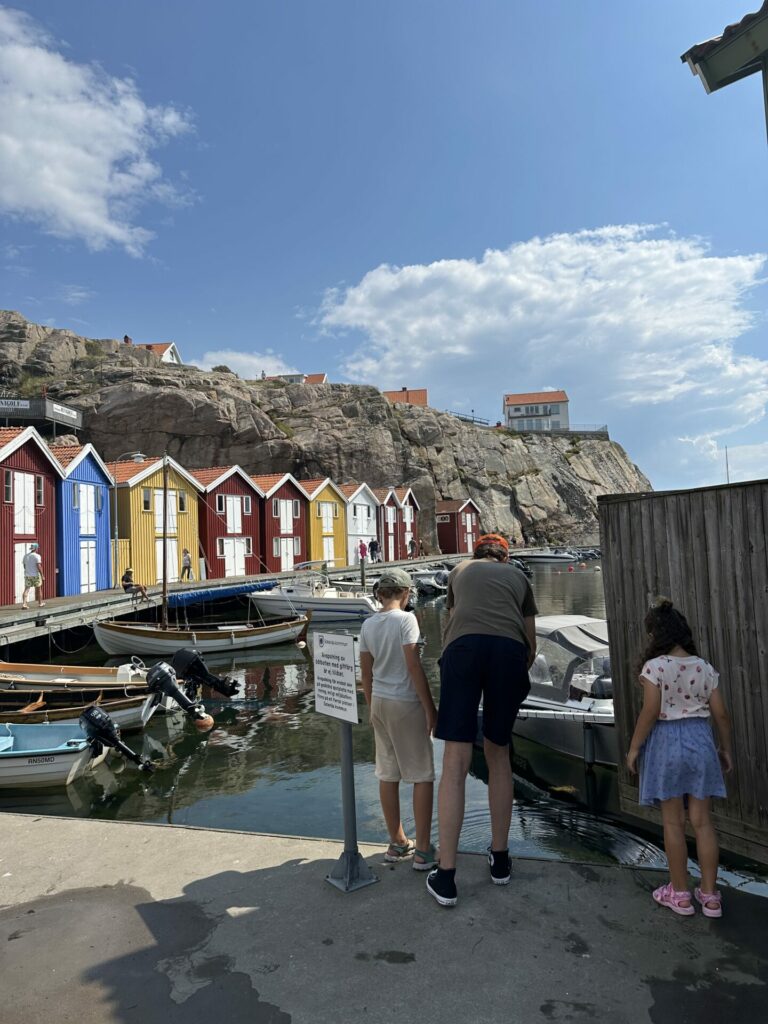
After Gothenburg, head to Smögen, a small fishing port that has become one of the most photogenic spots on the west coast. Upon arrival, the charm takes hold: a succession of red, yellow, and blue cabins lined up on wooden pontoons, all bordered by absolutely calm water. It’s THE postcard view of Bohuslän.
Smögen is OUR big favorite in southern Sweden! We thought we’d be disappointed by mass tourism, but despite the crowds, the magic of the place remained intact.
What to see and do in Smögen?
Stroll along Smögenbryggan
It’s the main attraction: a wooden boardwalk about a kilometer long, lined with colorful cabins, restaurants, and shops. You stroll along at the rhythm of the sea, between fishing boats and elegant yachts. At the end of the day, the light becomes magical, offering an incredible panorama.
Enjoy fresh seafood 🦐
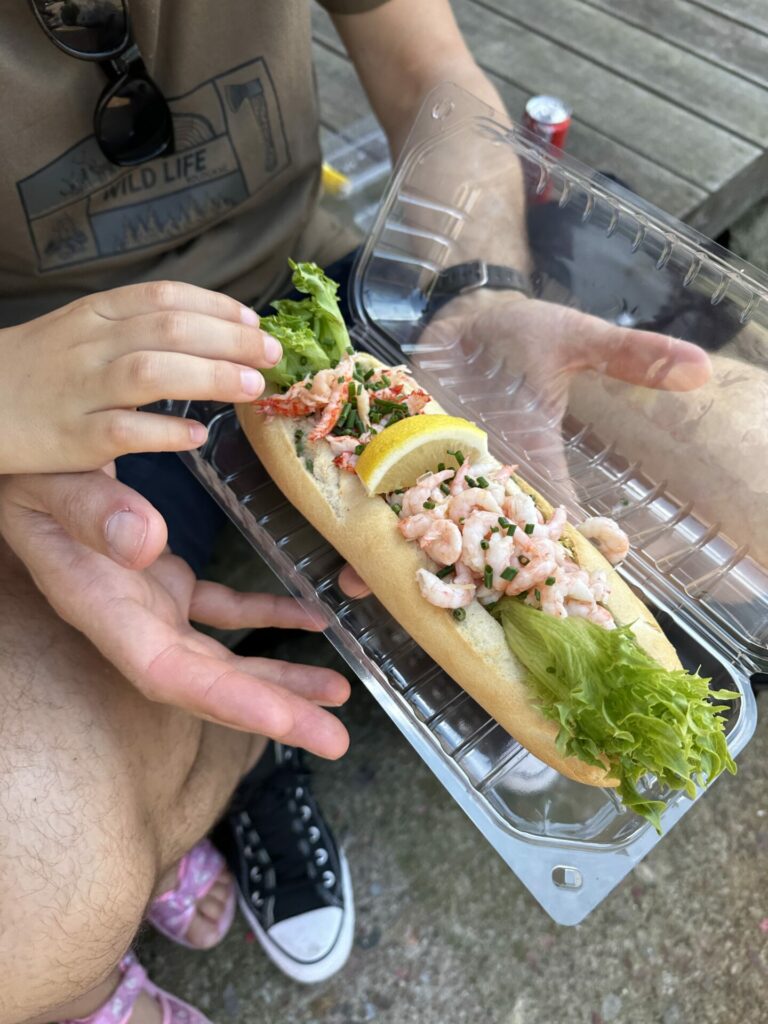
Smögen is famous for its shrimp, crabs, and lobsters. Many restaurants offer seafood platters facing the harbor. For a simpler option, several fish shops sell crab or shrimp sandwiches, typically Swedish. We tested and approved! It’s a small expense, but it would be a shame to miss out.
Walk on the pink granite rocks
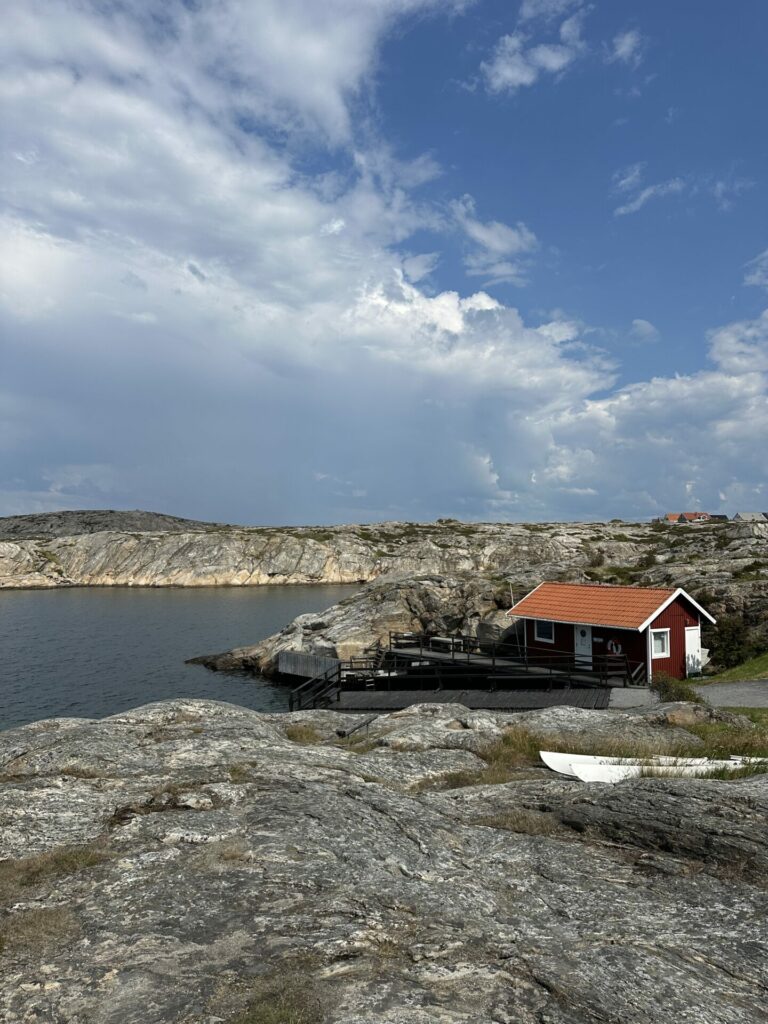
Around the harbor, immense blocks of pink granite stretch down to the sea. It’s a perfect spot for a walk, a picnic, or to admire a sunset. The path is easy and quite short (about 30 minutes). It’s also an opportunity to access small isolated coves if the cold water doesn’t scare you!
Discover the islets by boat
Excursions depart from the harbor to explore the surrounding islands. Some offer seal safaris or mini-cruises in the Bohuslän fjords. It’s an excellent way to see the region from another perspective.
Try your hand at crab fishing
On the pontoons, a local activity caught our attention: crab fishing! 🦀 For a few euros, we bought a “crab rod” (a string with a clothespin) and got into the game. It’s very fun and simple: you attach bait, wait for the crab to grab it, and gently pull it up! Of course, all crabs were released back into the water. A simple and authentic activity that will remain one of our best memories from this family trip!
Fjällbacka, in the footsteps of Camilla Läckberg
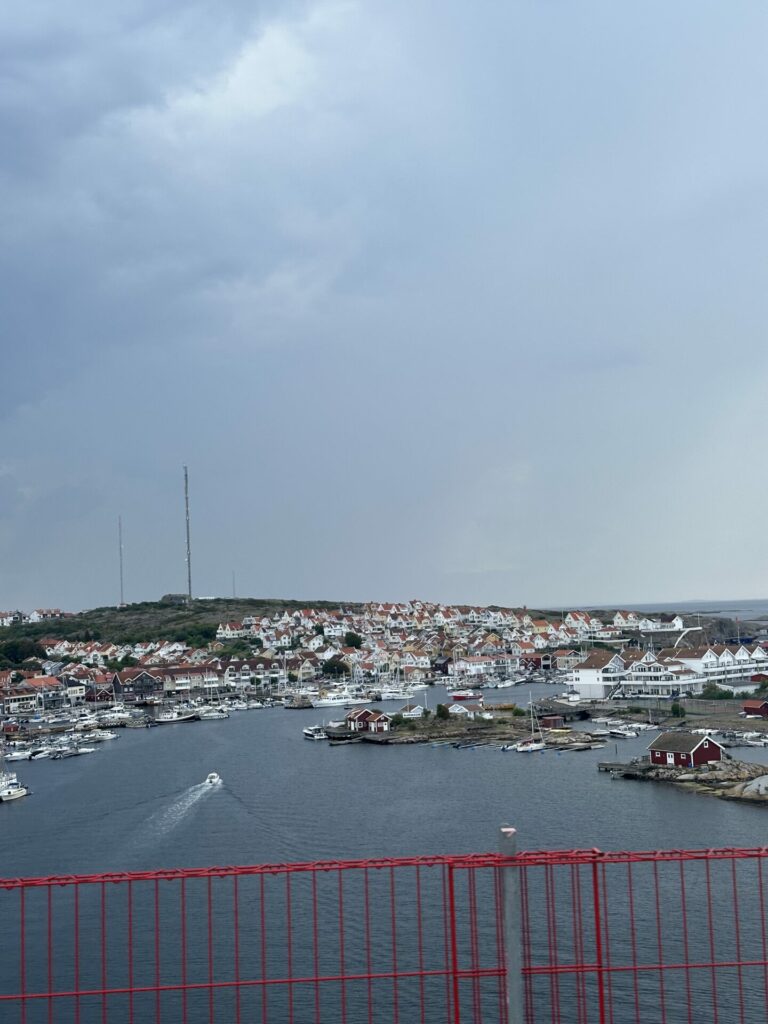
After the lively atmosphere of Smögen, it’s time for Fjällbacka, a peaceful port where time seems to stand still. Nestled between sea and rocks, this village is an interlude of tranquility. Crime novel enthusiasts will recognize the setting of the novels by Camilla Läckberg, the local author! 🕵️♀️
What to see and do in Fjällbacka?
Climb to the top of Vetteberget
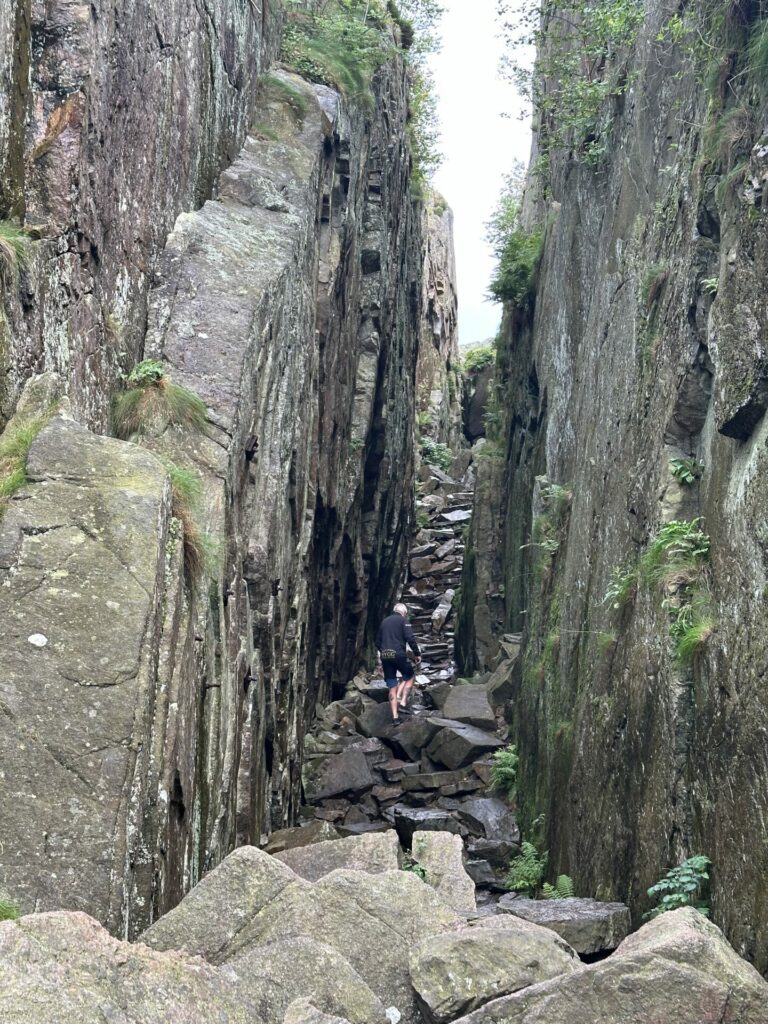
It’s impossible to visit Fjällbacka without climbing this iconic rock that overlooks the village. The path leads to a magnificent panorama of the harbor and the archipelago. Along the way, you’ll cross the Kungsklyftan, an impressive fissure between two rock faces.
Unfortunately, we couldn’t do this hike to the summit due to the rain, which made the ground extremely slippery. Beyond the initial stairs, the path seemed tricky to us. If conditions are good, bring proper footwear. We preferred not to take any risks.
Stroll through the village and along the harbor
Fjällbacka is best discovered by strolling around: small streets, wooden pontoons, restaurants facing the sea… The atmosphere is peaceful, almost timeless. Take the opportunity to buy dried fish from one of the fish shops, a local specialty. We particularly loved the dried salmon: a delight!
Explore the archipelago islands
From Fjällbacka, it’s possible to embark on an excursion to neighboring islands, including Valö or Väderöarna, a wild archipelago of striking beauty. You can also book a cruise to observe wildlife, especially seals! Remember to inquire about seasonality and compare prices from different agencies.
The Swedish Coast by Campervan: Practical Guide and Tips
These first kilometers in Sweden were a true enchantment! We had dreamt of it, imagined it, and it was even more beautiful. The coastal roads are sublime, a postcard-perfect scenery at every turn.
Parking and sleeping in a campervan on the west coast
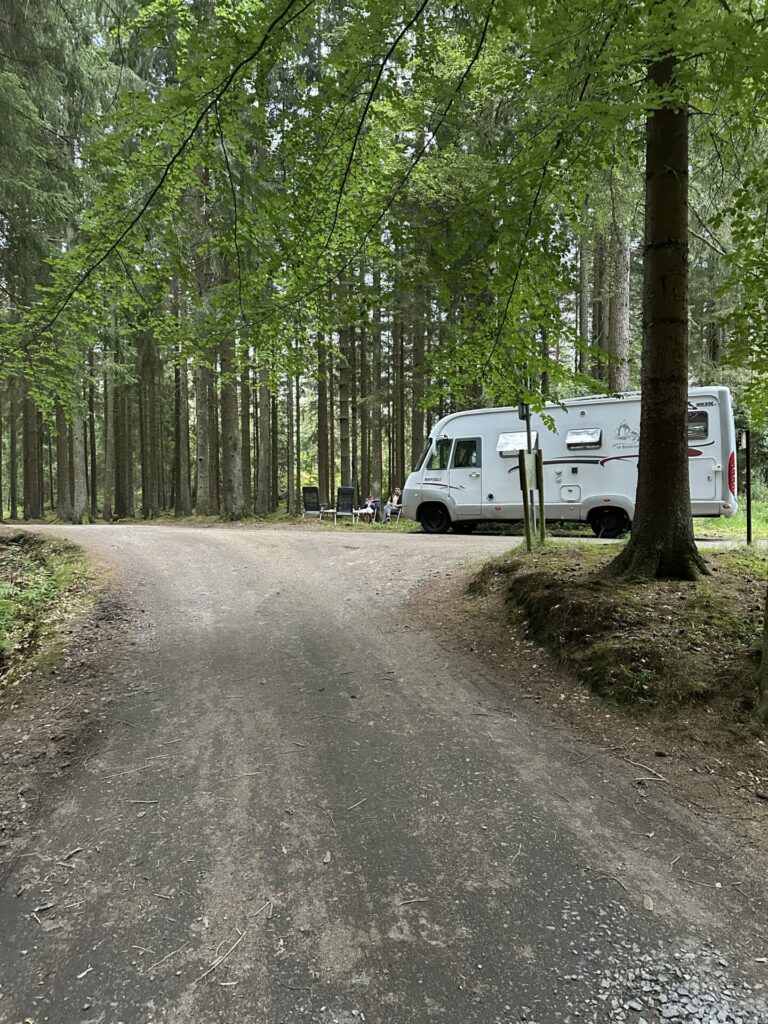
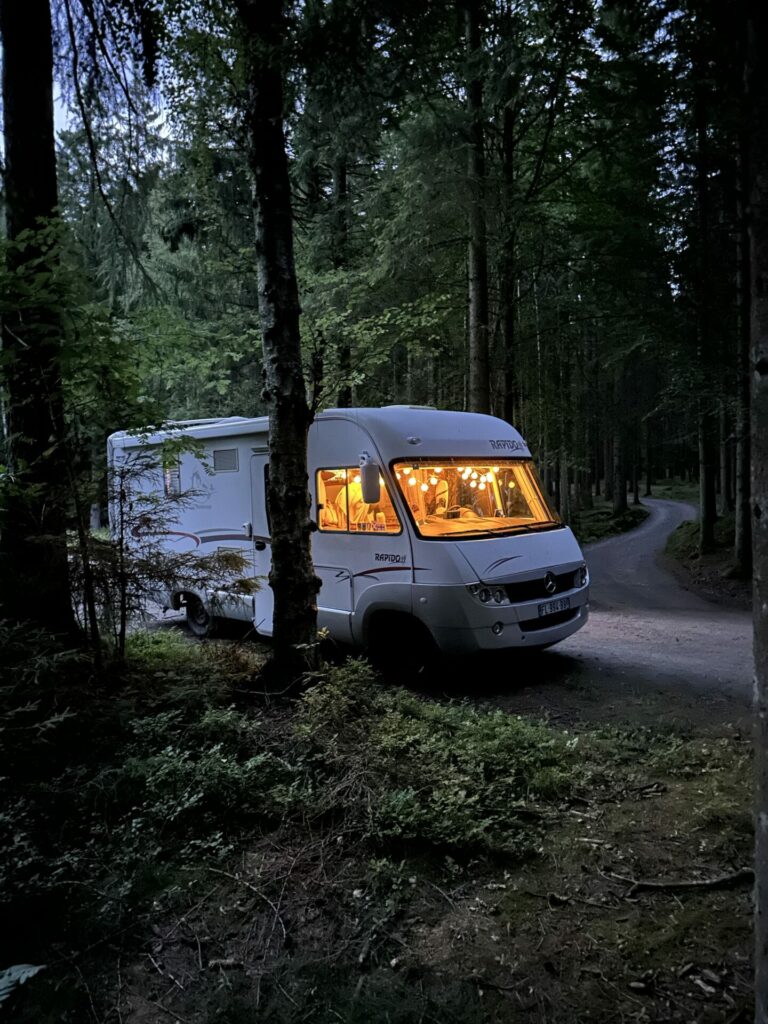
The roads in southern Sweden are easily accessible, but the region’s popularity has a downside: during peak season, it can be difficult to park. And let’s not even talk about overnight spots which, though numerous, are overrun from early afternoon. The famous right of public access (Allemansrätten) is wonderful, but it mainly applies to hiking and tent camping, and less and less to motorized vehicles in tourist areas.
Our tip for finding the best spots
Our best advice is to look for a spot yourself. Get off the beaten track a bit and don’t rely solely on apps like Park4Night, which list places that are often overcrowded. The most beautiful places are those you discover by chance! And if you’re a beginner, take a look at our guide on the 10 mistakes to absolutely avoid in a campervan.
Driving in Sweden: What you need to know
Driving in Sweden is very pleasant. The roads are in excellent condition, and Swedes are very respectful drivers. Pay attention to speed limits, which are often lower than in France. Around Gothenburg, some roads and bridges are subject to an automatic city toll (your license plate is scanned, and you receive the bill at home).
When is the best time to go?
Summer (June to August) offers endless days and mild temperatures, ideal for swimming and long evenings. It’s also the most touristy period. For more tranquility, May and September are excellent alternatives, with beautiful light and far fewer people on the roads.
Sweden’s west coast was a magnificent introduction to this incredible country. It’s a perfect destination for a road trip, whether you’re looking for dynamic cities, breathtaking coastal landscapes, or charming fishing ports. We hope this account makes you want to discover one of the most beautiful campervan destinations in Europe!