Why go on a road trip in Scotland?
Scotland had been on our dream list for a long time. After a month-long road trip through Norway, Sweden and Lapland, we only wanted one thing: wide open spaces again!
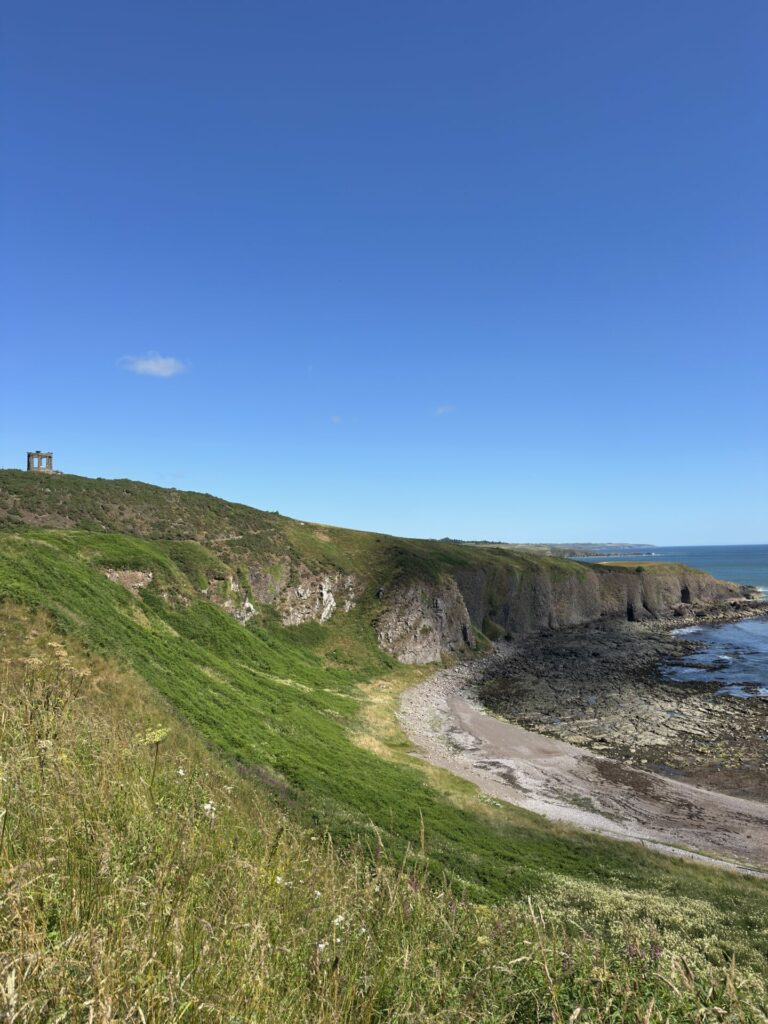
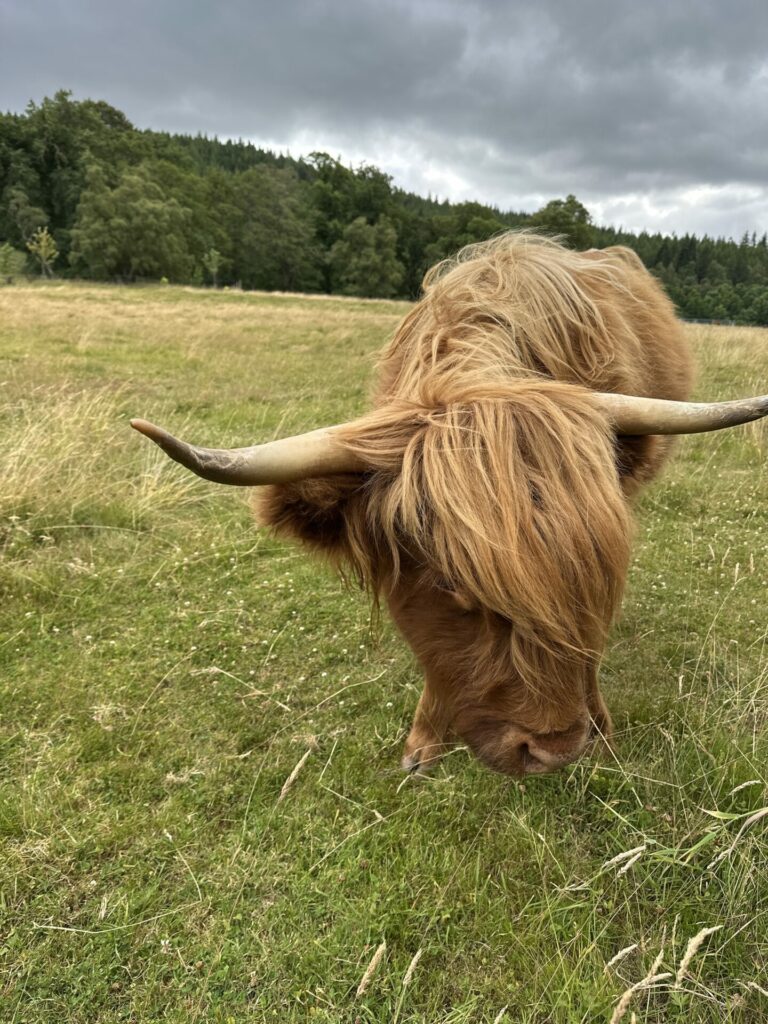
Breathtaking landscapes, wild nature, animals, roads lost in the middle of nowhere… That’s exactly the picture we had of Scotland before leaving. And let’s be honest right away: we were not disappointed!
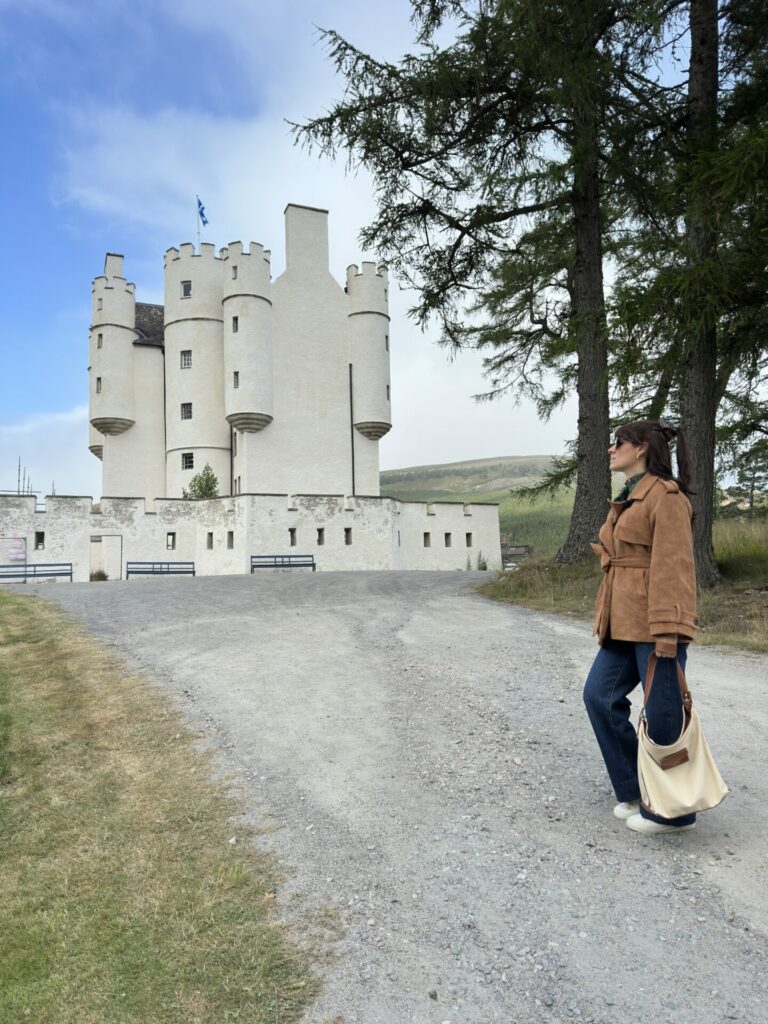
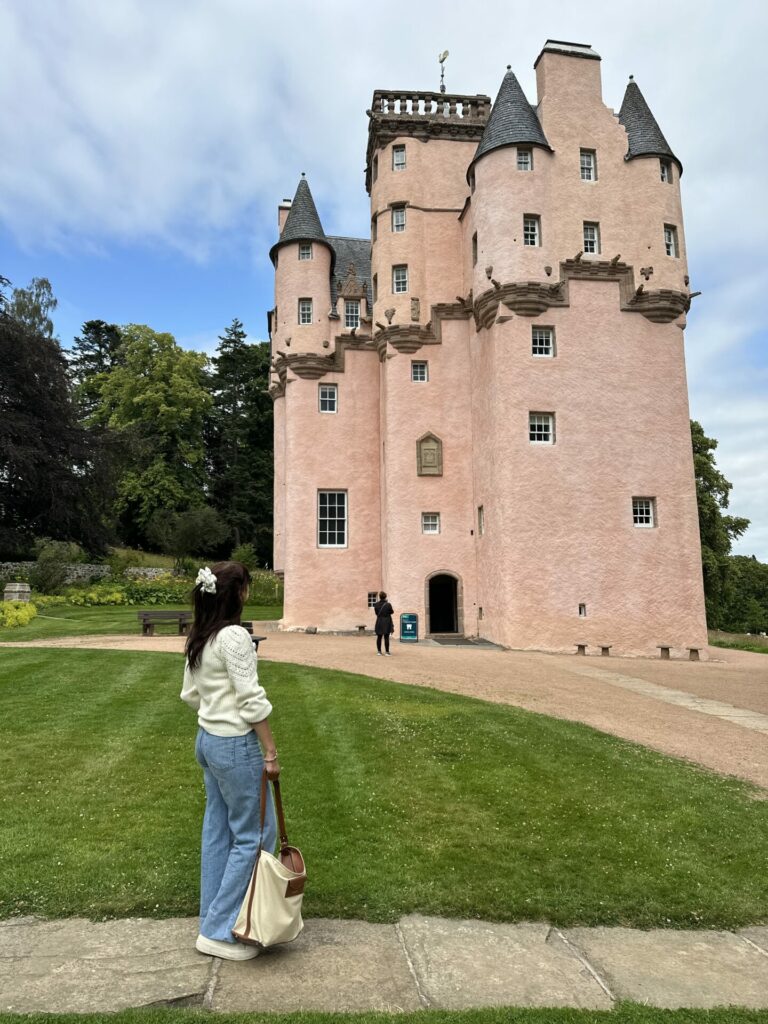
But what we perhaps hadn’t imagined to this extent is how rich Scotland is in heritage and culture. You’ll discover hundreds of castles, charming little stone villages, harbours and fishing villages, ruined abbeys, deep-rooted traditions… not to mention the Scots themselves, whom we found particularly welcoming.
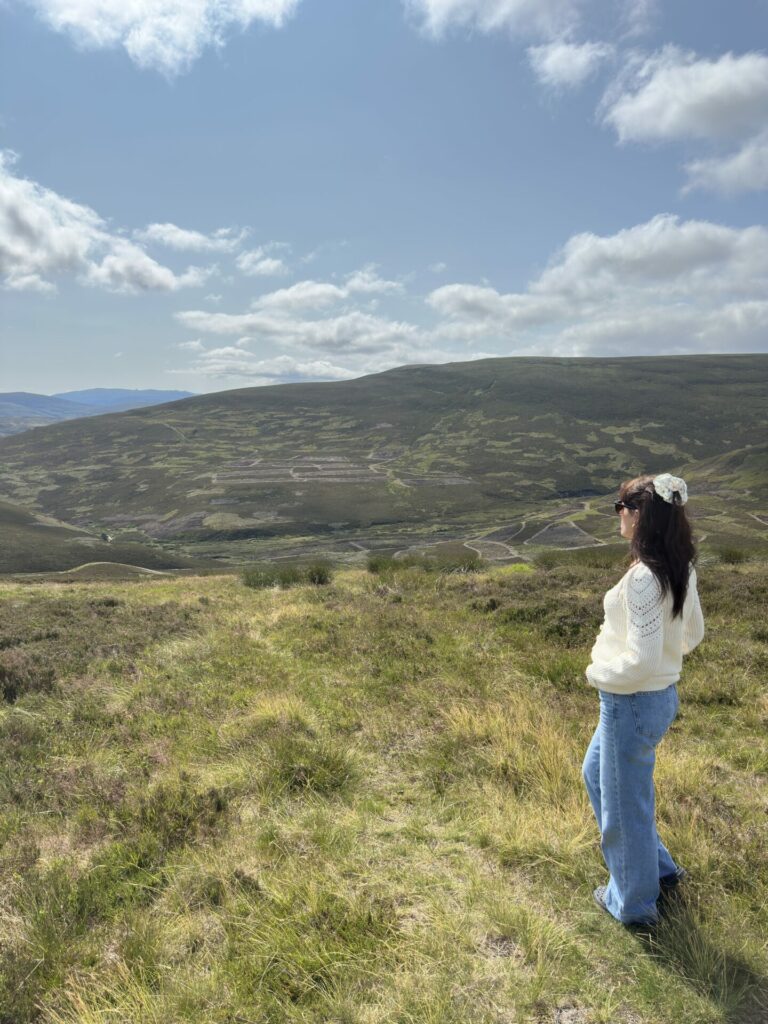
Between the hikes, the Highlands scenery, the castles, the lochs, the villages, the beaches, the wildlife and all the little discoveries made along the way, absolutely everything makes you want to stop.
And in the end, that’s probably the main problem when planning a road trip in Scotland: you have to make choices! Because unless you’re a full-time nomad… or can leave for three months, it will simply be impossible to see everything.
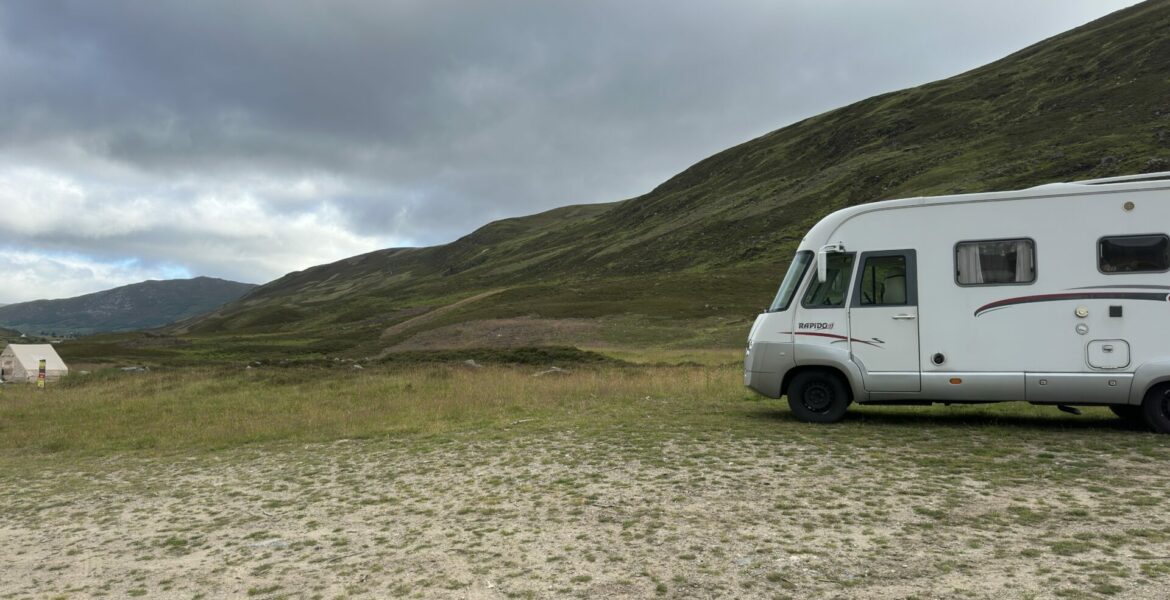
For us, a road trip in a converted vehicle is one of the best ways to discover this incredible country. A motorhome, campervan or van gives you real freedom of movement: changing your plans depending on the weather, staying longer somewhere because you feel good there or, on the contrary, hitting the road again on a whim.
And above all, why shut yourself away in a hotel room every evening when you can have an incredible garden that changes every day? One evening facing a loch, the next in the middle of the Highlands and a few days later with the sea on the horizon… That too, for us, is the magic of a road trip in Scotland.
How to get to Scotland from France?
There are several ways to reach Scotland from France: by plane, by train or by ferry. The best option will obviously depend on how you like to travel, but if you’re taking your own vehicle, the ferry remains a particularly convenient solution.
We chose the Calais – Dover crossing. It takes less than two hours and actually adds a little extra adventure to the road trip!
The ferries are big enough for the crossing to go by very quickly and offer everything you need on board: restaurants, lounges to settle down in, shops, play areas… The kids loved it and, between leaving the port and arriving in front of the famous White Cliffs of Dover, you really feel like the trip has already begun.
Once you’ve landed in Dover, however, there’s no miracle: you have to cross England to reach Scotland!
Yes, it’s long. We spent a whole day on it. But it’s actually quite easy, since you mainly use major roads and motorways all the way up north.
Another nice surprise for the budget: the vast majority of British motorways are free, unlike what we’re used to in France. There are a few exceptions and occasional tolls, but on a typical journey between Dover and Scotland, you can cover several hundred kilometres without adding a hefty motorway bill to your travel budget.
So you have to accept this long day of driving at the start and end of the trip, but for us, the comfort of travelling with our own motorhome and then enjoying total freedom once in Scotland more than made up for those kilometres.
Before you leave, also think about the paperwork: an electronic travel authorisation is now mandatory to enter the United Kingdom, Scotland included. We explain everything in our guide to the UK ETA. And to compare crossing times and prices, take a look at our Direct Ferries review.

When is the best time to go to Scotland?
Well, in reality, every season is worth it in Scotland! It mostly depends on what you’re looking for and the atmosphere you want for your trip.
In winter, snow covers part of the country and Scotland even has several ski resorts. Yes, really! The mountains and forests are then covered in a white blanket and the scenery can be absolutely magnificent. On the other hand, the days are short and some roads or sites can be harder to access.
In spring, temperatures slowly start to rise, the days get longer and there are still few tourists. It’s a lovely time to enjoy Scotland more peacefully. However, rain is often very present and some castles, attractions or tourist sites are not yet open. So remember to check opening dates before planning your itinerary.
In summer, the days are very long, all the tourist sites are open and conditions are ideal for hiking and fitting in plenty of visits. It’s also the busiest period, especially on the Isle of Skye, where some places can be literally overrun. And then there are the famous midges, those tiny and particularly annoying insects that can be very present in some areas.
In autumn, Scotland completely changes its face. The landscapes take on superb golden hues, the forests become magnificent and tourist numbers drop sharply. It’s also an excellent time to watch red deer. The only small drawback: the rain returns more regularly and the days start to get shorter.
As for us, we chose to go in summer, simply because we travel during the children’s school holidays.
And honestly, no regrets! The extra-long days allowed us to enjoy visits and landscapes until late in the evening, all the castles were open and the hikes easily accessible.
There were still two small downsides: the midges, really present in some places, and the crowds of tourists at the best-known sites.
We still can’t decide which was the most unpleasant: the midges… or the crowds!
How long should you plan for a road trip in Scotland?
Depending on the length of your trip, you obviously won’t be able to see everything. Scotland is a relatively small country on the map, but it is packed with things to discover and do.
Between the castles, the villages, the lochs, the coastal scenery, the historic sites and the countless hikes, the days fill up very quickly. And if, like us, you love walking, you’ll definitely be spoilt for choice!
We stayed three weeks in Scotland. And even with that much time, we deliberately made choices so as not to spend all our time on the road and to really enjoy the places where we stopped.
In particular, we decided not to go all the way up to the far north and to skip the famous North Coast 500. The route looks absolutely incredible, but we preferred to keep time for the rest of the trip rather than rush through everything. So that’s a very good excuse to come back to Scotland!
Our road trip started around St Andrews, before following part of the east coast, crossing the centre of the country and then heading west. We then came back down via the Isle of Skye and the Highlands, before ending our trip in Edinburgh (by the way, check out our must-sees for visiting Edinburgh).
If you’re planning your first trip, we recommend allowing at least one week if you want to focus on a single region, such as the Highlands.
To really start talking about a road trip and discover several regions, two weeks seems to us to be a minimum.
And if you have three weeks, you’ll already be able to put together a great itinerary while keeping time for hikes, visits and, above all, the many unplanned stops that Scotland will inevitably cause!
The main piece of advice we could give you is actually very simple: don’t try to see everything. In Scotland, distances may look short on a map, but between the narrow roads, the photo stops, the hikes and all the places where you’ll want to stop, time flies.
Driving in Scotland
In Scotland, as everywhere in the United Kingdom, you drive on the left! And honestly, there’s no need to make a big deal of it: you get used to it much more easily than you’d think.
The first roundabout will probably stress you out a little, especially when you have to remember to look the right way, but after a few kilometres, the reflexes come naturally. In the end, you just follow the flow!
A little tip for the more anxious: stick a “DRIVE ON THE LEFT” Post-it just above your steering wheel. It may seem a bit silly, but it’s really handy when you pull out of a car park or onto a completely deserted little road, where you might instinctively fall back into your old habits.
Driving a motorhome on Scotland’s small roads
With a motorhome, the main difficulty won’t actually be driving on the left, but rather the width of some roads.
In the Highlands and the wildest areas, you’ll regularly drive on very narrow roads where two vehicles simply can’t pass each other.
That’s where the famous “passing places” come in. These are small widened areas set up regularly along the road, allowing a vehicle to pull in and let the oncoming one pass.
And here again, don’t panic: there are usually lots of them. You quickly understand how they work and, after a few kilometres, it becomes completely natural.
What really makes driving in Scotland pleasant, despite these narrow roads, is the courtesy of the drivers. We found the Scots, like the English for that matter, particularly respectful behind the wheel. With our motorhome, other drivers very often let us through or waited at the next passing place rather than forcing us to manoeuvre.
A little wave to say thank you, and everyone carries on their way!
In the end, even with a big vehicle, we never found driving particularly stressful. Narrow roads, driving on the left and passing places may seem daunting on paper, but in reality, you get into the rhythm very quickly.
Can you wild camp in Scotland?
The answer is yes… but with a small nuance!
Scotland is often presented as a wild camping paradise. That’s true for tent camping, since the Scottish Outdoor Access Code allows light, responsible camping on much of the land. However, these rights don’t apply directly to motorised vehicles, vans and motorhomes. For us motorhomers, it’s therefore more accurate to talk about overnight parking or wild parking.
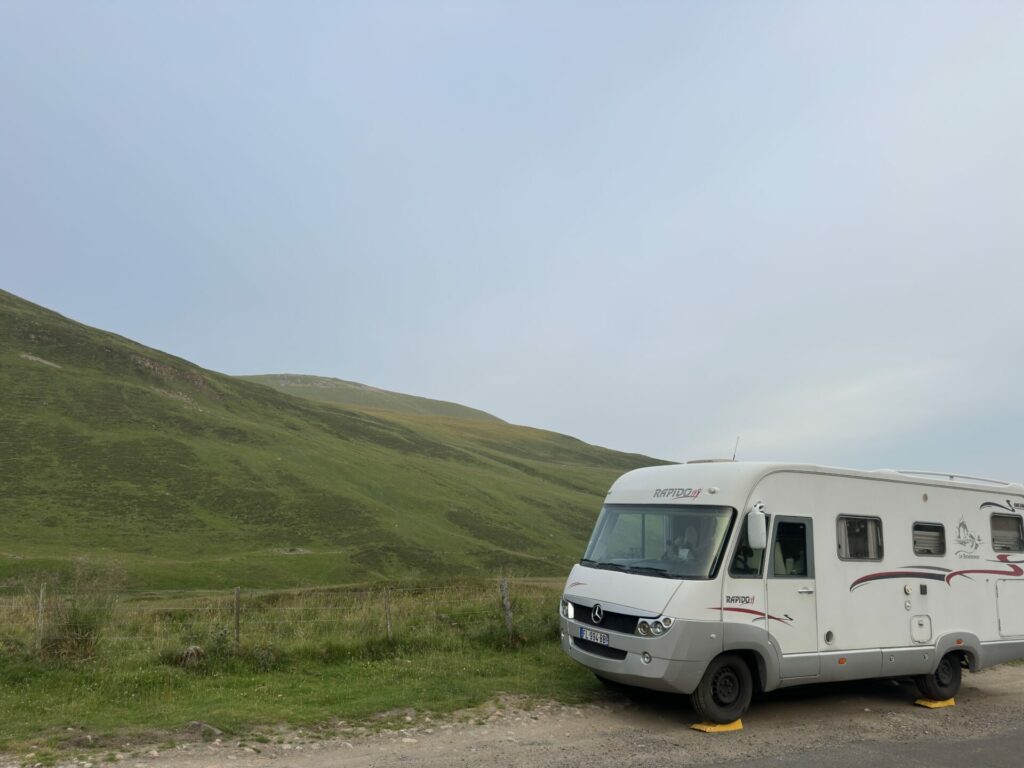
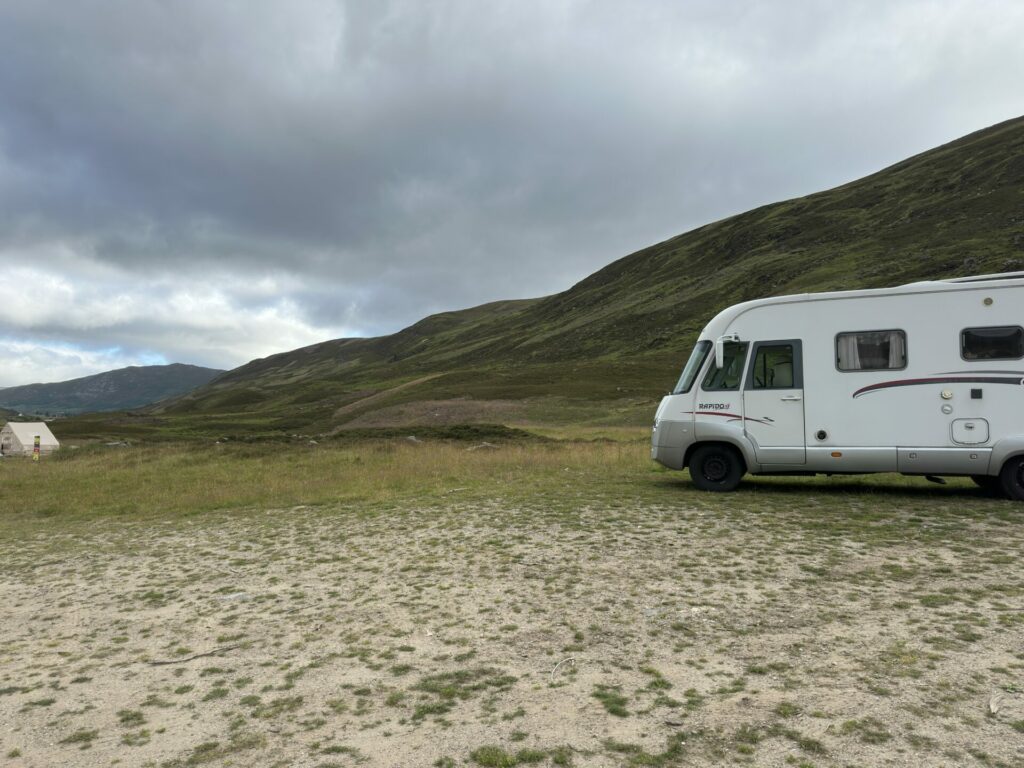
In practice, we found loads of places to spend the night with our motorhome: in the middle of the moors, in the Highlands, in the Cairngorms or right next to completely wild landscapes. And that’s clearly one of the great pleasures of a road trip in Scotland!
You simply need to respect any parking bans, private property and local regulations. Where overnight parking is prohibited or regulated, there are usually signs. In some areas, you’ll also find car parks dedicated to vans and motorhomes, sometimes free, sometimes for a few pounds or a simple donation. This is notably the case in the Cairngorms National Park.
Our rule throughout the trip was above all to stay as discreet as possible.
In some places, it’s better to simply park for the night rather than really “camp”. By “camping”, I mean getting out the table and chairs, setting up all your gear outside or spreading out around the vehicle. The more discreet and respectful of the place you are, the more this way of travelling will continue to be accepted.
Of course, you never block an entrance, a road or a passing place, you leave absolutely nothing behind and you avoid damaging the verges or the vegetation.

What about the Isle of Skye?
The Isle of Skye was where we found it hardest to find nice, quiet spots.
Not necessarily because sleeping in a vehicle is systematically forbidden there, but simply because tourist numbers are huge in summer. Many car parks fill up quickly, some places are regulated and the quiet little corners are inevitably much more sought after.
In these very touristy areas, it’s better to plan several options and sometimes accept sleeping at an aire or a car park intended for that purpose rather than absolutely looking for the perfect wild spot.
In the end, Scotland remains for us an extraordinary destination to explore by motorhome. It’s still very easy to find magnificent places to spend the night, as long as you respect the places, the locals and any local restrictions.
The best rule is probably the simplest: arrive discreetly, enjoy the place and leave without a trace.
The Scottish weather
We did our road trip in July and August, so in the height of summer… and let’s just say we had absolutely every kind of weather!
Scotland’s east coast is generally milder and we found a real summer there, with beautiful days and sometimes even fairly warm temperatures.
On the other hand, as soon as you reach the west coast, the Highlands or the Isle of Skye, the weather becomes much more unpredictable. And that’s exactly what happened to us: we had a lot of rain in the Highlands and on Skye.
But what really characterises Scottish weather is its ability to change extremely quickly. You can start the day under a huge blue sky, be hot during a hike and find yourself in a heavy shower an hour later!
Our best advice: dress in layers, like an onion!
Wear several layers of clothing that you can easily take off or put back on during the day and, above all, never forget your waterproof jacket, even when the sky looks perfectly clear as you set off.
And the umbrella? For us, it’s pretty much useless! Scottish rain very often comes with wind and, unless you have a particularly sturdy umbrella, it’s likely to end up inside out within minutes. A good waterproof jacket with a hood will be much more practical.
For the rest of your packing, find all our tips for preparing your motorhome road trip.
And what about the famous midges?
You can’t talk about a summer road trip in Scotland without mentioning the midges!
These tiny insects are almost part of the travel folklore and, unfortunately, we can confirm that they’re not just a legend. We came across them regularly, especially in the Highlands and on the Isle of Skye.
The most annoying thing is that they can turn a superb spot into a much less pleasant place as soon as you step out of the motorhome. Some evenings, getting the table and chairs out quietly quickly becomes much less tempting!
Once there, we recommend stopping at a pharmacy or local shop to buy a repellent specially designed for midges. Tried and tested by us: it really works and can definitely save an evening!
Another must-have, especially if you plan to hike: the midge head net. It’s honestly not the most elegant accessory of the trip, but when there are lots of them, you’ll be very glad to have it in your bag!
We actually recommend buying it in Scotland. Midges are tiny and the mosquito nets or insect nets commonly found in France often have meshes far too wide to stop them. So make sure you choose a net specifically designed for midges.
In the motorhome, also remember to use the fly screens on the windows and avoid leaving the doors open for too long when they’re around.
Between the rain, the wind and the midges, Scotland can sometimes test your patience. But rest assured: when the sky clears over a loch or the Highlands mountains, you very quickly forget everything else.